I’m careful about making bold claims about AI in gaming. Most predictions seem to go to one of two extremes: either AI replaces everyone and floods the market with lifeless content, or it will be behind a perfect world where anything can be made instantly. I don’t think either is likely. What interests me more is a quieter but a more important change: AI is starting to shift the bottleneck.
Production has been the bottleneck
For a long time, making games has mostly been held back by production.
The problem hasn’t been a lack of ideas. There have always been more ideas than teams could actually make. There are always more mechanics to test, worlds to build, community requests to answer, formats to try, languages to translate, and stories to tell. The real challenge has been turning any of these into something that works, is polished, and can succeed in the market. This takes the combined effort of artists, engineers, QA, localization, tool makers, marketing, business development, publishing, community managers, live ops, platform specialists, and many others who turn ideas into real games. AI won’t make all of this simple.
But it will compress parts of it, and that changes where the constraint sits.
Some things will be faster. Some will cost less. Some will become possible for people who couldn’t afford the tools, skills, or time before.
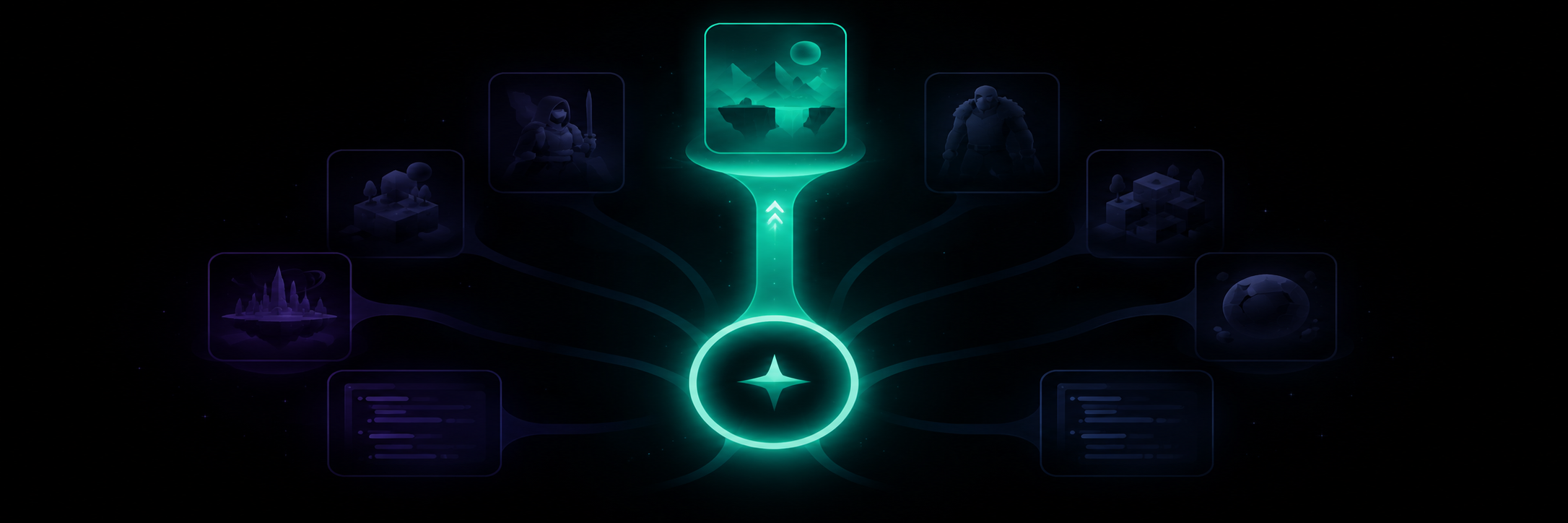
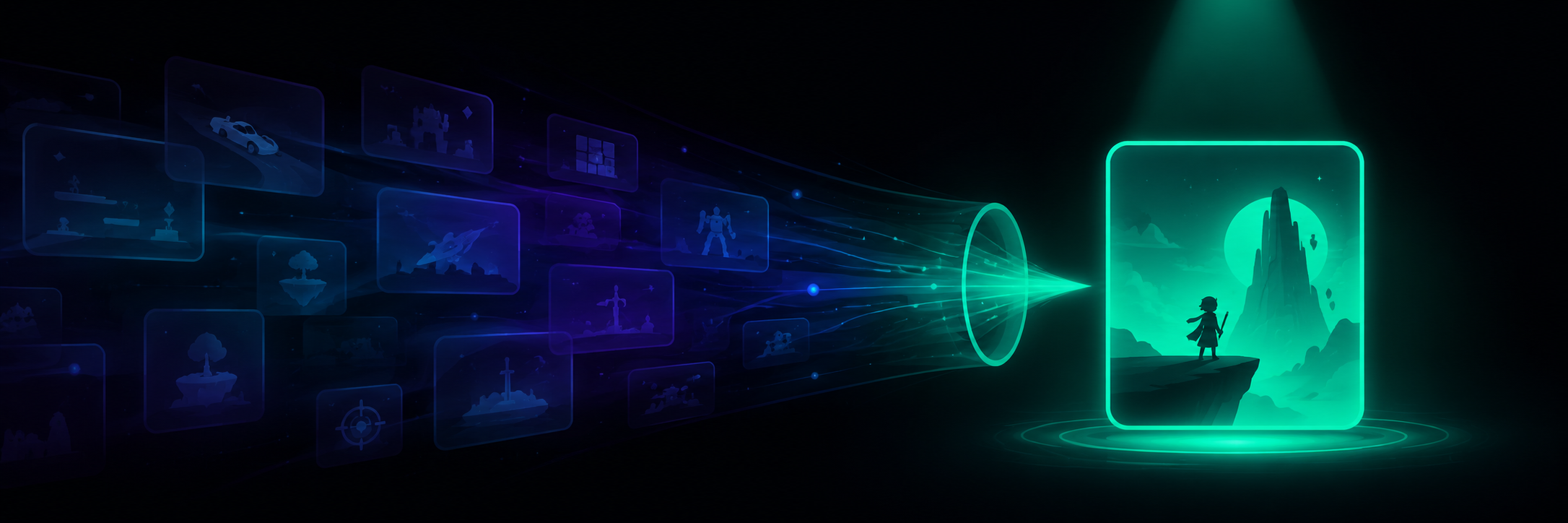
And when production gets easier, the bottleneck simply moves. Creation becomes easier, so the bottleneck shifts to judgment.
Deciding what to make becomes the focus.
Speed matters, but access matters more
The most talked-about benefit of AI in gaming is speed. It means faster prototypes, faster concept art, and quicker coding help. It also means exploring concepts more quickly.
Translation and localization get faster, as do making presentation materials and analyzing playtest and community insights.
Internal workflows speed up, too. All of this is important. In an industry where making games takes a long time and involves significant risk, speed always matters.
But in my opinion, speed isn’t the biggest story; access is.
AI will enable more people to participate in game creation. Smaller teams will be able to pursue bigger ideas. Non-technical individuals will be able to develop playable experiences that express their ideas. Communities will have better tools to remix the worlds and concepts they care about.
Publishers and IP owners will be able to try out new formats and games without needing a full production team from the start.
This is very exciting, of course. But it also creates a problem: if many more people can create many more things, the volume of output will increase dramatically.
More prototypes. More trailers. More character art concepts.More game ideas.
More UGC. More polished prototypes are surfacing earlier. Some of it will be amazing, some completely forgettable, and much will sit in between.
From “can we build this?” To “Should we build this?”
The key question will move from “can we build this?” to “Should we build this?”
That’s a harder question. It’s also a dimension that’s still undercooked in many AI-in-gaming conversations, because games aren’t merely a deliverable.
Games aren’t just characters, models, code, levels, or quests. They are experiences that players choose to spend time with, experiences that can become habits, communities, and even cultural touchstones. AI can generate content, but it can’t decide what really matters.
That means taste becomes more important, not less.
Creative direction is more important than ever. Understanding players, knowing communities, and having a clear focus are all key. Knowing what to skip is just as important as knowing what to make. The best teams in an AI-powered world won’t be the ones who make the most games.
They’ll be the ones who make the best decisions about which games to make.
IP, publishers, and partnerships still matter
An underlying narrative I hear is that if creation becomes cheaper and easier, the established role of IP and publishers won’t matter as much. I don’t buy it.
When there’s too much content, trusted signals become even more valuable. Players will still go to worlds and characters that matter to them. They’ll still value strong communities, creators they trust, and real competition.
Does this mean traditional IPs automatically win?
No. New worlds will, of course, be created.
AI will certainly help small, ambitious teams rise.
The intrinsic value of a game isn’t in how its rendered. The inherent value of a character isn’t just its design. The intrinsic value of a tournament isn’t in its brackets. And the intrinsic value of a community isn’t in its server numbers.
Value comes from what players invest in the world and one another over time.
That’s why I believe traditional publishers and IP owners still have a big role, but it’s changing. Instead of controlling every production detail, they’ll focus on what gives games meaning: protecting rights, keeping the brand strong, reaching players, ensuring a good experience, supporting communities and creators, and building business models that last. The next wave of partnerships will need to be just as strategic and technical as they are creative, asking, “How can we let more people join this game, and take part of its creation without losing what makes it special?”
That’s a different kind of question, and one that companies will have to confront.
The first truly useful AI may not be magical
While the popular imagination may soar towards dynamic NPCs, procedurally generated quests, and endlessly customizable worlds, the first waves of truly useful AI in gaming might be far more understated. Think of support functions like player research, more effective analysis of community sentiment, assisted QA testing, higher-quality localization at scale, streamlined content moderation, improved player support operations, an accelerated live-ops feedback loop, and marketing iteration.
These improvements might not seem as thrilling as living worlds, but game companies are complicated systems. Making things clearer and more efficient, even in less glamorous areas, can have a big impact. The downside is that AI also makes it easier to generate a lot of noise, more pitches, more analyses.
More ideas presented as fact.
So once again, the real advantage isn’t the tool itself, but in having the insight to know where and how to use it. And, just as importantly, when not to use it.
Leadership becomes a judgment problem
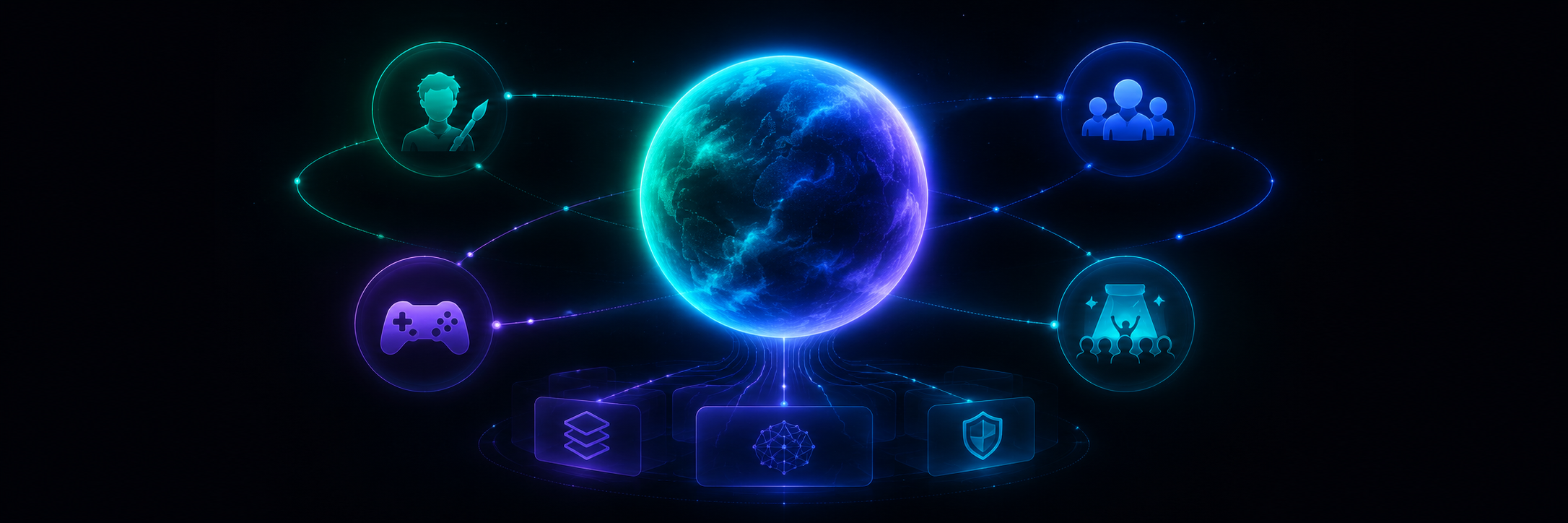
These changes will shift a team’s bottleneck from production to decision-making. Therefore, the most valuable leader in gaming will not necessarily be “the person who understands AI.” Rather, the ideal leader is someone who clearly understands the advantages of what AI can do for a game, a team, a community, or a business, while also understanding the disadvantages, the places it generates leverage, the risks, and the moments where it can fool us into thinking quick action is equal to progress.
Strong leaders will understand both technology and what motivates people. They’ll balance business goals, player trust, creative vision, community needs, and practical delivery. Most importantly, they’ll know when to make quick decisions and when to slow down and think things through. This matters because games are both technical and emotional. A game that works perfectly can still fail if it doesn’t connect with players, while a less polished game can succeed if it has heart, a strong core, or a real sense of community. AI hasn’t changed this basic truth—it just makes its impact harder to ignore.
The future worth building
Here’s the future I care about: I’m excited to see AI used in games, but not because I think it will replace human creativity, nor all forms of imagination.
What gives me hope is that AI can help morem, and better ideas get noticed, let small teams try out new concepts, and help bigger communities get involved and co-create the worlds they love. It can help companies understand what players want, improve how they work, and make things people truly value. But companies will need to work hard to use AI in ways that builds trust. If they only sell it as a way to save money, we’ll probably just see more games that all feel the same.
If AI is used as a shortcut rather than for thoughtful decision, it will miss what makes games special. And if companies bring in AI without respecting the skills and creativity of artists, designers, writers, engineers, producers, community teams, and players, a game’s long-term success could fall apart before it even has a chance. This isn’t about using AI to make games less human. It’s about giving more people the tools to express themselves, and letting great teams focus on what humans do best: making decisions, voicing their taste, building trust, telling stories, creating community, and making games fun to play.
The center of decision-making is shifting.
The real question is whether we’re ready to take on our new role as the industry changes.